Are Uromastyx Good Pets?
Are Uromastyx Good Pets?
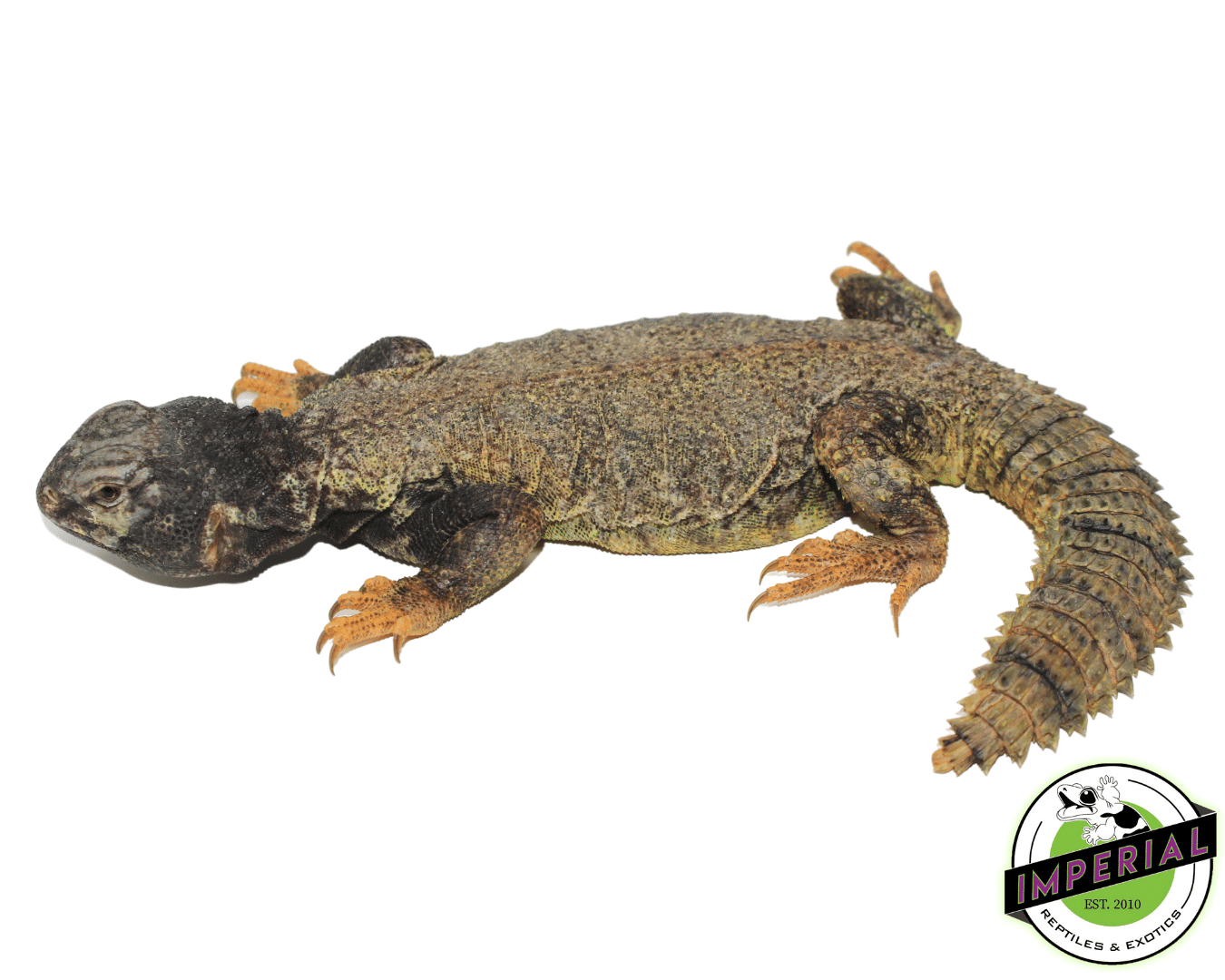
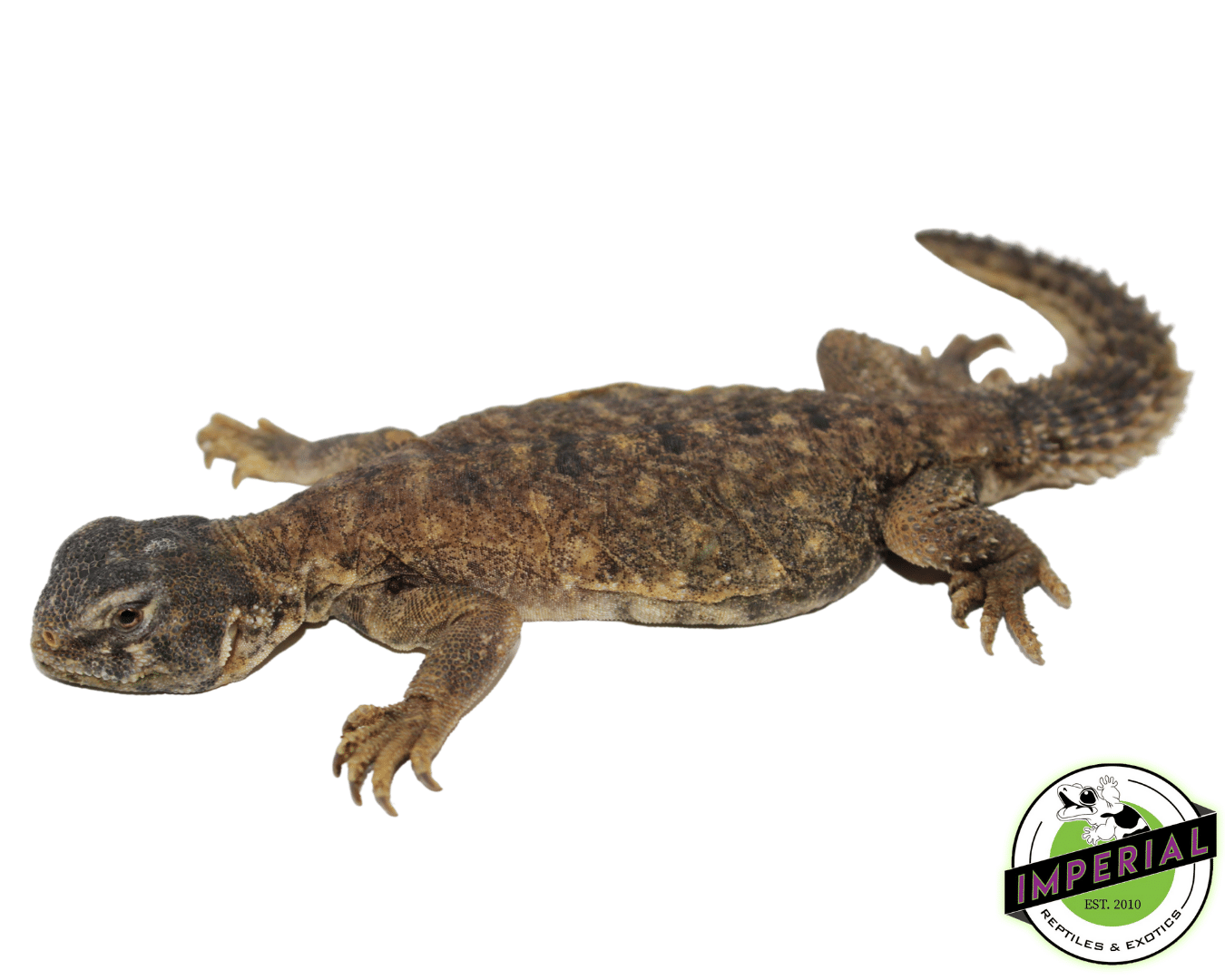
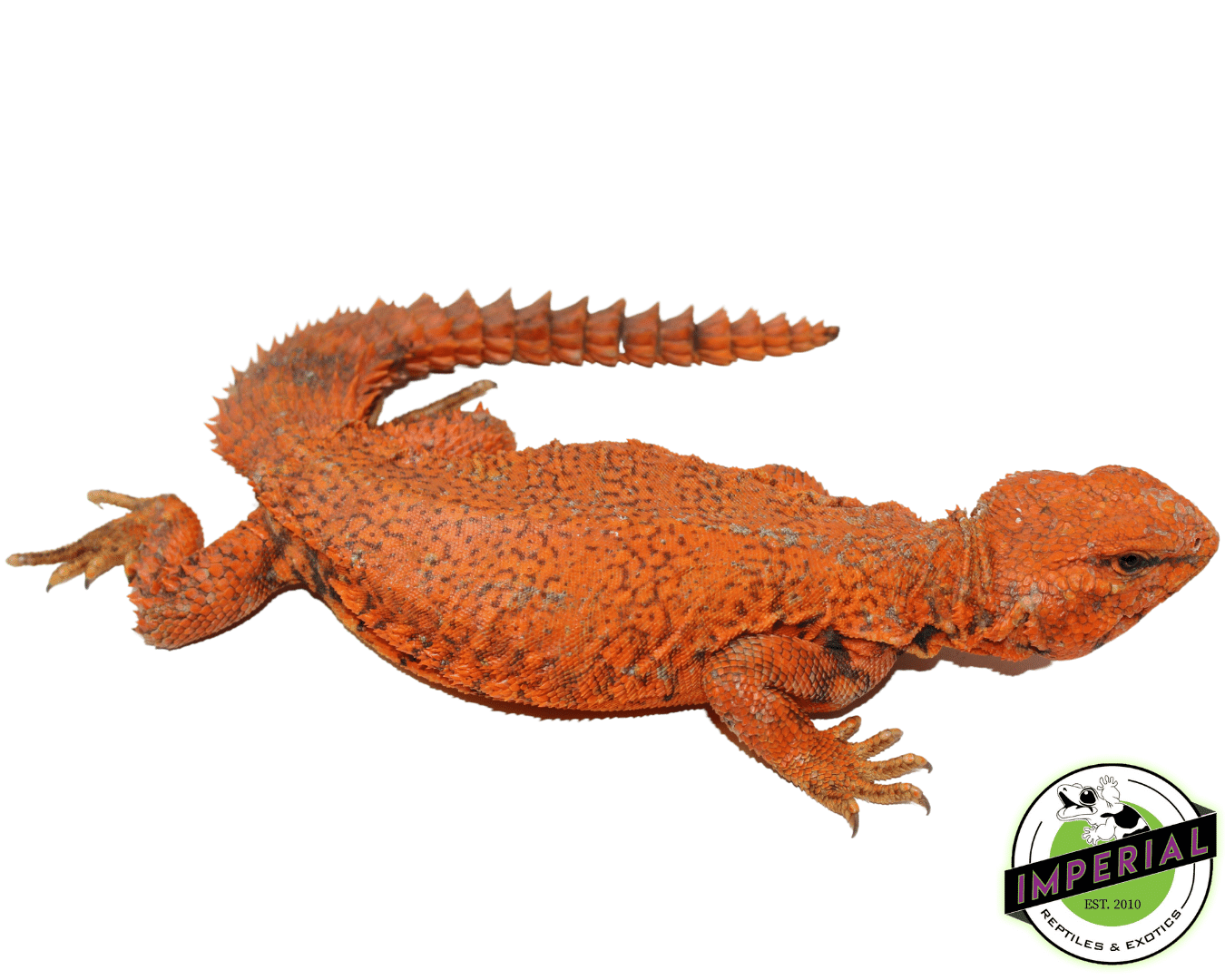
You're looking at a photo of a brightly colored, spiky-tailed lizard basking under a rock lamp, and you wonder: could this be my next pet? Before you get swept up by their "dinosaur" charm, you need to know the reality of uromastyx care. They're fantastic pets for the right person, but they have very specific, non-negotiable needs that make them a poor fit for beginners or anyone wanting a hands-on companion.
The Uromastyx Temperament: Calm but Not Cuddly
Uromastyx are known for their generally docile and curious disposition. A well-established adult in a proper setup will often sit calmly on a rock, watch household activity, and may even learn to associate you with food. However, "docile" does not mean "social." They are not cuddly pets. Most do not enjoy being handled, and excessive picking up causes significant stress. Their primary defense mechanism is to flee, and if cornered, they can deliver a surprisingly powerful tail whip. For someone seeking a visually engaging display animal that you observe more than interact with, a uro is perfect. For someone wanting a lizard to carry around on their shoulder, look elsewhere. Their appeal lies in their daily basking rituals, enthusiastic digging, and unique behaviors, not physical affection.
Specialized Habitat & Diet Requirements
This is where many prospective owners stumble. Uromastyx are desert specialists, and replicating their native environment is critical. They require intense, localized basking heat of 120-130°F, with a cool side around 80°F. At night, temperatures can safely drop to the 70s. They need very low humidity, typically under 30%, to prevent respiratory infections. This means most standard reptile tanks are insufficient; you'll need a front-opening enclosure that's at least 4'x2'x2' for an adult to properly manage the heat gradient. Their diet is another key difference. They are primarily herbivorous, requiring a daily salad of leafy greens, sprouts, and occasional safe flowers. We recommend avoiding high-protein animal matter entirely. A high-quality seed mix, like our Uro Mix, offered dry or sprouted, is an excellent staple. Proper lighting isn't just a suggestion—it's a matter of life and health.

Essential Setup: Creating the proper thermal gradient is non-negotiable. A uromastyx's digestion, activity, and overall health depend on a precise basking zone. Check out our selection of deep dome fixtures and high-output bulbs to get it right from day one.
Lifespan & Long-Term Commitment
Getting a uromastyx is a long-term commitment. With proper care, these lizards regularly live 15 to 20 years, with some individuals reaching 25. This rivals the lifespan of many cats and dogs. You are committing to two decades of providing specialized lighting, heat, and diet. It also means planning for their entire life stages—a tiny 6-inch juvenile will need multiple enclosure upgrades before reaching its full 10-18 inch adult size. Before purchasing, ask yourself if you're ready for a pet that will be with you through major life changes. Their longevity is a testament to their hardiness when cared for correctly, but it's a responsibility that shouldn't be taken lightly. At Uromastyxlizards, we ensure our clients understand this commitment before any sale.
Ideal Owner vs. Poor Fit
So, who is the ideal uromastyx owner? It's an adult or very responsible older teen who is fascinated by animal behavior, enjoys creating and maintaining a specialized ecosystem, and has the budget for the initial setup (which can easily exceed $500 for enclosure, lighting, and fixtures). They are patient, detail-oriented, and value observation over interaction. A uromastyx is a poor fit for young children, anyone seeking a low-maintenance pet, those unable to afford high electricity costs from running multiple lamps 12-14 hours a day, or anyone unwilling to provide fresh salads daily. If you're excited by the science of reptile keeping and want a stunning, long-lived display animal, you've found your match.

Start Right: A proper habitat prevents countless health issues. Investing in a spacious, front-opening enclosure like a 4'x2'x2' PVC model from the start is cheaper than upgrading multiple times. Browse our recommended enclosure kits and essentials to build a forever home.
Common Health Issues to Avoid
The vast majority of uromastyx health problems are directly related to incorrect husbandry. Metabolic Bone Disease (MBD) is the most common, caused by insufficient UVB exposure and/or calcium. This is preventable by using a high-output linear T5 HO UVB lamp, like the Zoo Med ReptiSun 10.0 or Arcadia Desert 12%, replaced every 12 months. Impaction from ingesting loose substrate or improper diet is another risk, which is why we recommend a solid substrate like slate tile for beginners. Respiratory infections arise from high humidity and poor ventilation. Obesity is also a concern if they are overfed fatty foods like nuts or dog food. A healthy uromastyx should have a robust tail (its fat store) but a trim body. By sourcing your animal from a reputable breeder like Uromastyxlizards and nailing the habitat setup, you can avoid these pitfalls and enjoy a healthy pet for years.
Are uromastyx good pets for beginners?
Generally, no. Their strict and specific requirements for extreme heat, very low humidity, and specialized lighting make them intermediate-level pets. A beginner reptile like a leopard gecko or bearded dragon is more forgiving of minor husbandry errors.
How much does it cost to set up for a uromastyx?
The initial investment is significant. A proper enclosure (4'x2'x2'), high-quality heating and UVB lighting, fixtures, thermostats, and decor will typically cost between $500 and $800. The animal itself can range from $150 for a common species to over $500 for rare morphs.
Do uromastyx like to be handled?
They tolerate brief, calm handling but do not seek it out. The goal of handling should be for necessary health checks or enclosure cleaning, not for bonding or play. Frequent handling causes stress, which can lead to appetite loss and illness.
If you've read this and the specialized care excites rather than daunts you, then a uromastyx might be your perfect pet. Their vibrant colors, unique behaviors, and impressive longevity offer a deeply rewarding reptile-keeping experience.
Browse our uromastyx collectionLast updated: April 13, 2026
nn