How to Pronounce Uromastyx
You’ve just seen a photo of a stunning, spiky-tailed lizard with incredible colors. You want to tell your friend about it, but your mouth freezes. Is it “you-row-mas-ticks”? “Ur-oh-masty”? You’re not alone. Getting the pronunciation right is the first step to confidently joining the community of uromastyx keepers. Let’s clear up the confusion once and for all.
The Correct Pronunciation: Breaking It Down
The correct pronunciation is “yer-oh-MAS-tiks”. Let’s break it down phonetically. The first syllable, “uro,” sounds like “you-row” but with a softer, quicker “yer” sound, almost like the beginning of “Europe.” The emphasis is squarely on the second syllable: “MAS.” The “tix” at the end is pronounced like “ticks.” So, it’s yer-oh-MAS-ticks. The common mispronunciation “you-row-mas-ticks” isn’t technically wrong, but the “yer-oh” start is more accurate to its Greek origins. Once you say it a few times, it rolls off the tongue. Getting this right instantly signals you know your stuff, whether you’re chatting with a breeder at an expo or asking for advice in a forum.
Where the Name Comes From
The name “Uromastyx” isn’t just a random label; it’s a descriptive term straight from Ancient Greek. It’s a combination of two words: “oura,” meaning tail, and “mastix,” meaning whip or scourge. Put them together, and you get “whip-tail,” which is a perfect description of these lizards’ most distinctive feature—that thick, muscular, spiky tail. They use it for defense, fat storage, and even to block the entrance to their burrows in the wild. Understanding this origin makes the pronunciation easier to remember. You’re not just saying a made-up word; you’re saying “tail-whip.” This is the kind of fascinating detail we love sharing with our customers at Uromastyxlizards, where every lizard’s biology informs how we care for them.

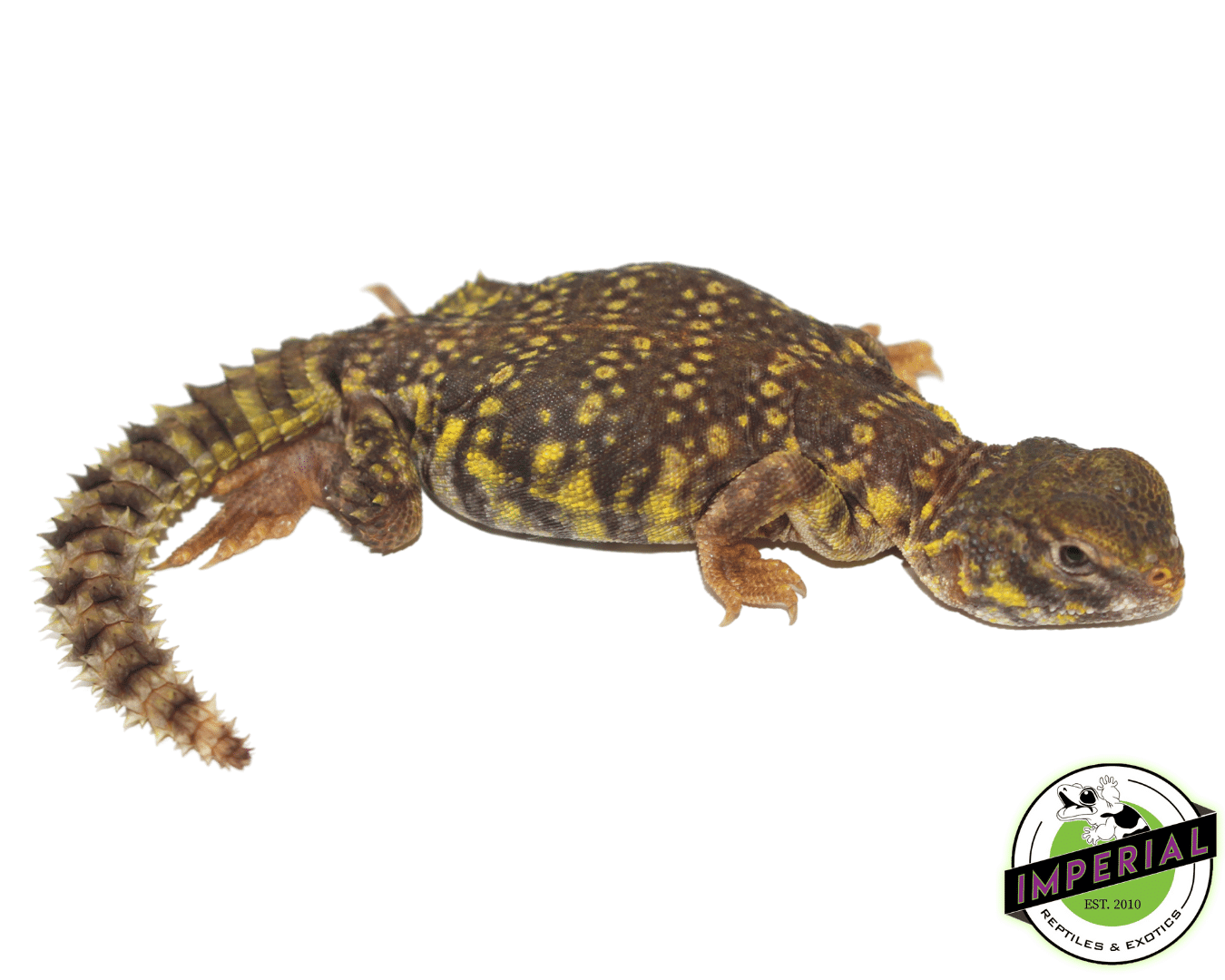
That iconic spiky “whip-tail” is where the Uromastyx gets its name.
Common Mispronunciations to Avoid
In over a decade of working with these lizards, I’ve heard just about every variation. The most frequent slip-up is placing the emphasis on the wrong syllable, saying “YOU-ro-mas-tix.” This makes it sound clunky. Another common one is “Uro-mas-TEKS,” which over-emphasizes the end. Some folks, trying to sound formal, might say “Oo-roh-mas-ticks,” but that’s less common. The simplest way to avoid these is to remember the golden rule: stress the “MAS.” Think of it like the word “democratic”—you say de-mo-CRAT-ic, not DE-mo-crat-ic. When you’re looking for quality supplies for your yer-oh-MAS-tiks, pronunciation is the first step; proper heating and lighting are the next. We ensure our kits at Uromastyxlizards are assembled with that expert knowledge in mind.
Why Pronunciation Matters in the Community
Pronouncing “Uromastyx” correctly might seem like a small thing, but it immediately establishes credibility. When you walk into a specialized reptile store or strike up a conversation with a seasoned breeder, using the correct term shows respect and a base level of knowledge. It helps you be taken seriously and get better advice. It also makes searching for information online more effective. If you’re pronouncing it wildly differently, you might miss key search results or YouTube videos. Using the right pronunciation helps you seamlessly integrate into forums and groups where the best, most nuanced care advice is shared. It’s the verbal handshake of the uromastyx world.
Browse our full uromastyx catalog for everything from enclosures to premium feeds.
FAQs: Quick Uromastyx Questions Answered
How do you pronounce uromastyx?
It’s pronounced “yer-oh-MAS-tiks.” The emphasis is on the second syllable, “MAS.” The name comes from Greek words for “tail” and “whip,” describing their iconic spiky tail.
Do uromastyx need UVB?
Absolutely. Uromastyx are diurnal, desert-dwelling lizards that require high levels of UVB light to synthesize vitamin D3 and properly metabolize calcium. A strong, desert-strength T5 HO UVB tube is non-negotiable for their long-term health.
Can uromastyx be kept together?
Generally, no. Uromastyx are solitary and territorial. Housing them together, especially males, leads to severe stress, competition for resources, and injury. The only possible exception is a very large, carefully monitored enclosure with a proven male-female pair, but cohabitation is not recommended for beginners.
Browse our uromastyx collection
Last updated: April 13, 2026
nn