Posted on Leave a comment

Are Uromastyx Good Beginner Lizards?

Are Uromastyx Good Beginner Lizards?

Are Uromastyx Good Beginner Lizards?

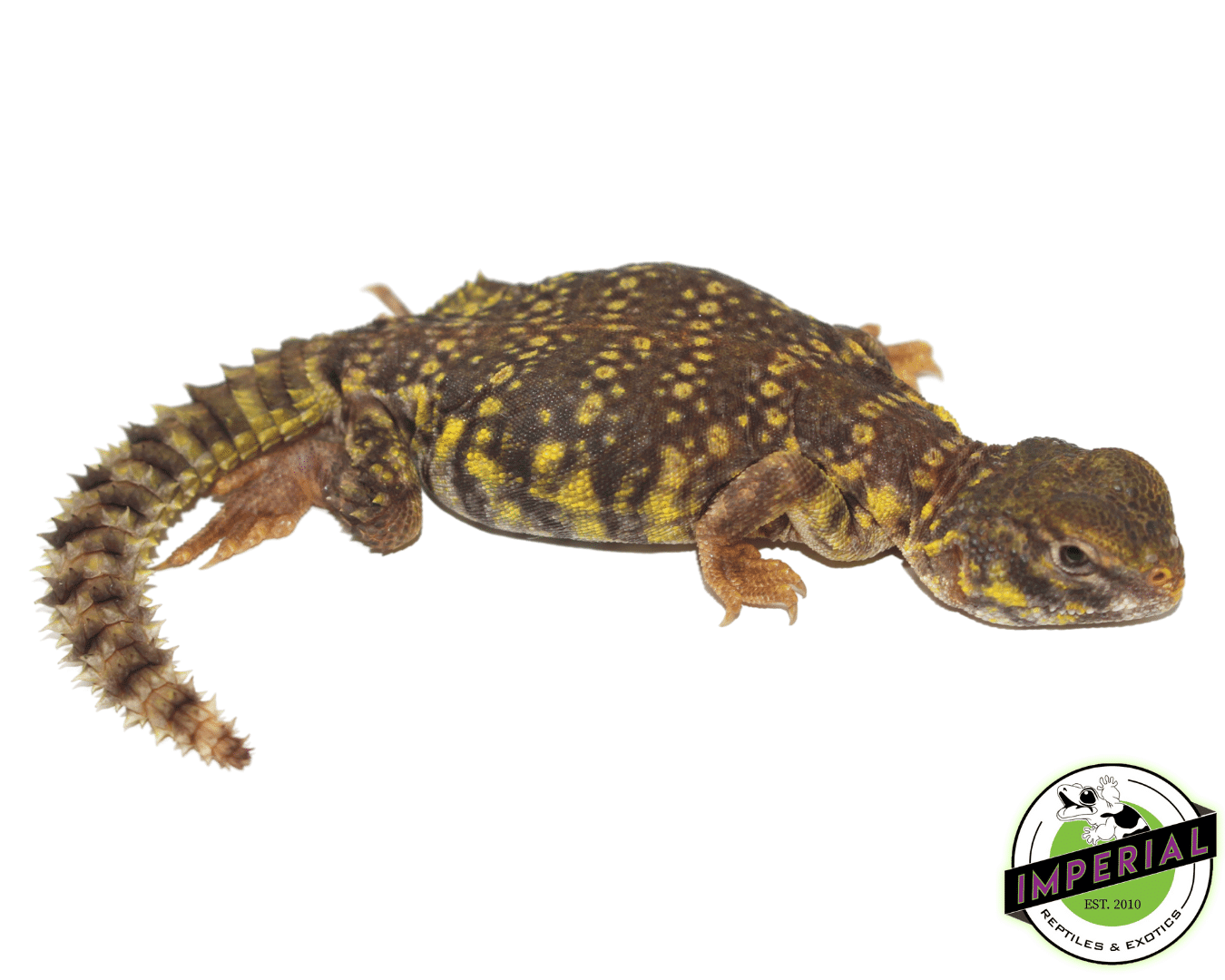
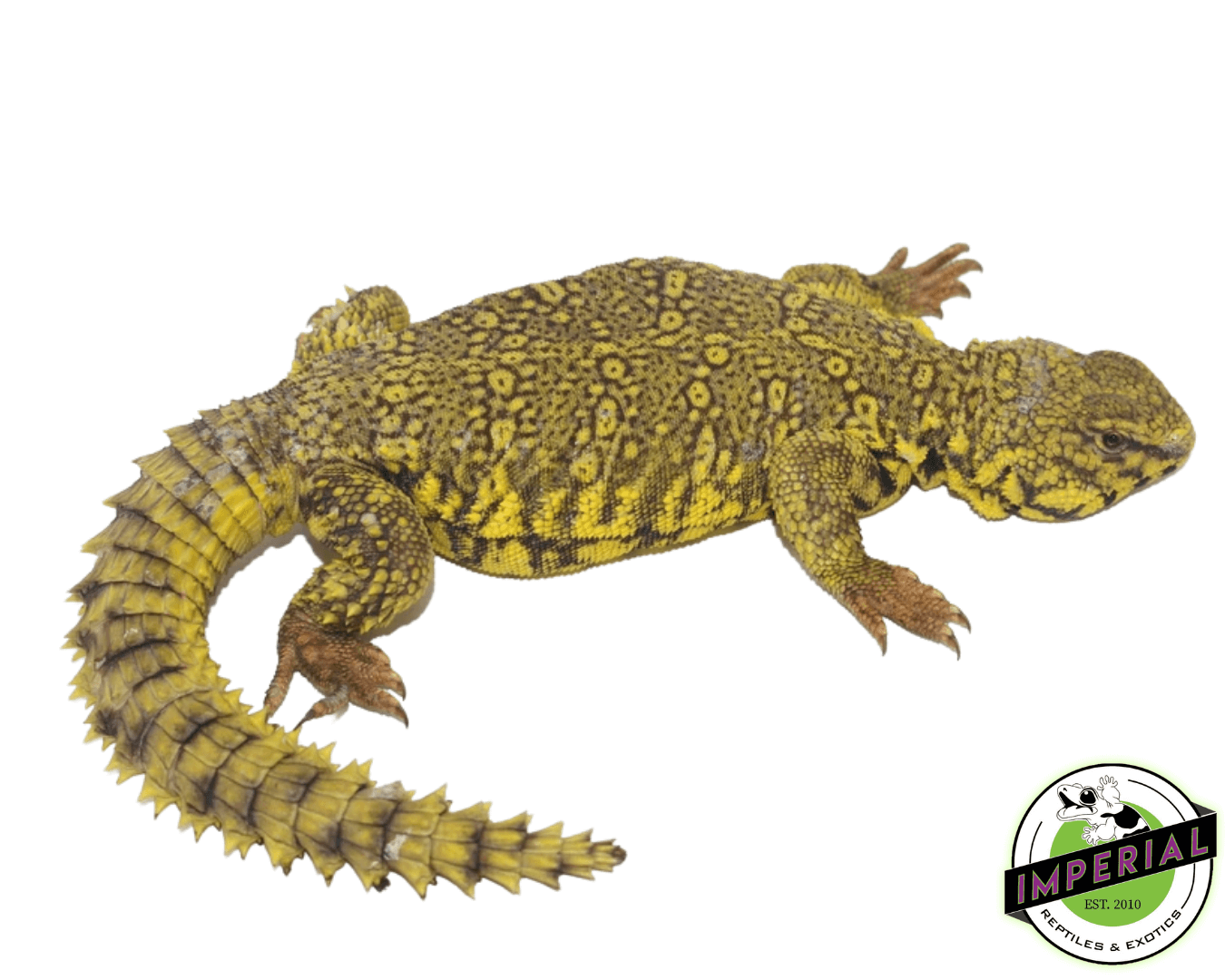
You’re at a reptile expo, watching a stunning yellow Saharan uromastyx bask under a heat lamp, completely ignoring the crowd. It doesn’t look stressed, it isn’t trying to hide, and its care sheet lists a diet of simple lentils and greens. This is the reality that makes many first-time reptile keepers ask: is this the perfect starter pet?

The Beginner-Friendly Reality: Diet & Temperament

For the right person, uromastyx are fantastic beginner lizards, primarily because of two factors: their diet and their calm demeanor. Unlike many insectivorous reptiles that require you to maintain live feeder colonies, a uromastyx’s staple diet is 90% plant-based. We’re talking spring mix, dandelion greens, and birdseed mixes. The other 10% can be cooked lentils or split peas—items you buy at the grocery store. This eliminates the “ick” factor and simplifies feeding logistics dramatically. Temperament-wise, well-started captive-bred specimens, like the ones we source at Uromastyxlizards, are notoriously docile. They rarely bite, and with gentle, consistent handling, they often become quite tolerant, spending their days basking contentedly rather than frantically glass-surfing.

The Beginner Challenges: Heat & Setup Costs

Now, let’s talk about the hurdles. The biggest is their extreme heat requirement. A proper uromastyx enclosure needs a basking spot surface temperature of 120-130°F, measured with a temp gun. The ambient hot side should be 95-110°F. Achieving this often requires a high-wattage halogen flood light (like a 90w PAR38) paired with a high-quality dimming thermostat, which is a more advanced piece of equipment than a simple on/off switch. The initial setup is an investment. You need a minimum 4’x2’x2′ enclosure for an adult, robust lighting fixtures, a UVB tube (like the Arcadia Desert 12%), and that thermostat. At Uromastyxlizards, we always advise budgeting for the setup first; the enclosure and equipment will often cost more than the lizard itself.

A properly set up 120 gallon zen habitat with a basking rock, halogen lamp, and UVB light for a uromastyx

Species Selection: Picking Your First Uro

Not all uromastyx are created equal for a novice. I strongly recommend steering first-timers towards captive-bred Uromastyx geyri (Saharan uromastyx) or Uromastyx ornata. Geyri are often available in stunning yellow or red morphs, tend to be slightly more tolerant of handling, and are prolific in captivity. Ornata are brilliantly colored and generally have a good disposition. Avoid species like U. aegyptia (Egyptian uromastyx) as a beginner; they get very large and can be more defensive. The key is “captive-bred.” A CB animal from a reputable source like Uromastyxlizards is already acclimated to human presence and a captive diet, skipping the stress and health issues that can come with wild-caught imports.

Daily & Weekly Care Commitment

The daily routine is straightforward, which is a huge plus for beginners. Each morning, turn on the lights. Offer a fresh salad of chopped greens, sprinkled with a tiny amount of powdered calcium (3 times a week). Remove uneaten food at the end of the day. Spot-clean any waste. That’s it for most days. Once a week, you might offer a tablespoon of cooked, cooled lentils or a small seed mix. The major time commitment is the weekly deep clean. You’ll need to remove all decor, substrate, and disinfect the enclosure to prevent bacterial growth in the hot, dry environment. This takes about an hour. Compared to cleaning a humid, mold-prone bioactive vivarium, many find the dry, simple uromastyx setup easier to maintain.

A close up of a uromastyx food bowl containing fresh dandelion greens, yellow squash, and lentils

Final Verdict: Who Should Get a Uromastyx?

So, are they good for beginners? Yes, but with major caveats. The ideal first-time uromastyx keeper is someone who is a prepper, not an impulse buyer. You must be willing to research thoroughly, invest $800-$1200 in the proper setup before getting the lizard, and be comfortable monitoring and maintaining very high temperatures. If the idea of a simple, salad-eating, display-oriented lizard appeals to you more than a high-maintenance, insect-eating species, and you’re ready for the upfront work, a uromastyx can be an incredibly rewarding first reptile. If you’re looking for a cheap, low-commitment pet you can hold for hours daily, look elsewhere.

What is the biggest mistake beginners make with uromastyx?

Undoubtedly, it’s incorrect temperatures. Using a bulb that’s too weak, not using a basking rock to absorb heat, or measuring ambient air temp instead of the actual basking surface temperature with an infrared thermometer. A uromastyx that’s too cold cannot digest its food and will become lethargic and ill.

Can I use sand as substrate for my beginner uromastyx?

I do not recommend loose sand for beginners. While they live on hard-packed earth in the wild, loose, dry sand in captivity poses a high risk of impaction if ingested and makes cleaning difficult. Start with a safer, easier option like a 50/50 mix of washed play sand and organic topsoil, packed down firmly, or even non-adhesive shelf liner for the ultimate in easy cleaning while you’re learning.

How often do I need to handle my uromastyx?

Far less than you think. Uromastyx are not “cuddly” pets. Handling should be limited to 10-15 minutes, 2-3 times a week, for health checks or gentle taming. Their primary activity is basking to regulate their body temperature. Excessive handling, especially in a new enclosure, causes stress. Your enjoyment will come more from observing their natural behaviors than from physical interaction.

Browse our uromastyx collection

Last updated: April 13, 2026

Posted on Leave a comment

Are Uromastyx Lizards Easy Pets?

Are Uromastyx Lizards Easy Pets?

Are Uromastyx Lizards Easy Pets?

You’re looking at a beautiful, herbivorous lizard that doesn’t need live insects, and you’re wondering if the care is as simple as it seems. The honest answer is that uromastyx are one of the easiest mid-sized reptiles to keep—if you get the core setup right from day one. Their straightforward diet and hardy nature make them fantastic for dedicated beginners, but “easy” doesn’t mean “no effort.” It means their needs are consistent, predictable, and once met, they thrive with minimal daily fuss.

The Single Most Important Factor: Heat & Lighting

If there’s one area where new keepers stumble, it’s here. Uromastyx are desert powerhouses that require intense, localized heat to digest their food and regulate their metabolism. A basking spot surface temperature of 120-130°F is non-negotiable for most species. This isn’t achieved with a low-wattage bulb from a pet store chain. You need a high-quality, high-wattage halogen flood light (like a 90W or 150W PAR38) in a ceramic socket dome, controlled by a reliable dimming thermostat. Pair this with a full-spectrum UVB tube light, such as the Arcadia Desert 12% or Zoo Med ReptiSun 10.0 T5 HO, spanning at least half the enclosure. This lighting duo is your biggest investment and the cornerstone of “easy” care. Get it wrong, and nothing else works.

Simplified, Plant-Based Diet

This is where uromastyx truly shine in the “easy care” department. They are primarily herbivores. Their daily diet is a chopped mix of leafy greens like escarole, endive, dandelion greens, and arugula, sprinkled with a small amount of birdseed or lentils for protein and a calcium powder supplement. No chasing crickets, no dealing with smelly insect colonies. At Uromastyxlizards, we recommend our premixed seed blends to ensure variety. The key is avoiding phosphorus-rich foods like spinach and iceberg lettuce. Fresh food daily, a shallow water dish (though they rarely drink from it), and you’re done. It’s cleaner, cheaper, and simpler than feeding an insectivore.

Space & Substrate: Setting Up for Success

An adult uromastyx needs a spacious enclosure to thermoregulate properly. For a single adult, a 4’x2’x2′ (120-gallon) front-opening enclosure is the recommended minimum. This gives them a proper heat gradient. For substrate, skip loose sand or bark. The easiest and most natural choice is a shallow layer of washed, sifted play sand mixed with organic topsoil. This holds burrows and is safe if accidentally ingested. For a completely foolproof and clean option, many keepers use non-adhesive shelf liner or textured tile. At Uromastyxlizards, we find a simple sand/soil mix in a properly sized tank eliminates many common habitat issues before they start.

Health & Handling: A Hands-Off Approach

Uromastyx are generally very hardy when their core needs are met. They’re not prone to the respiratory infections that plague more humid-environment reptiles. Their most common health issues—parasites or metabolic bone disease—are almost always a direct result of incorrect setup or diet from the outset. This makes prevention straightforward. As for handling, they are display pets, not cuddle buddies. Most tolerate brief, confident handling but do not seek it out. A stressed uro can deliver a surprisingly powerful tail whip. Easy care here means respecting their nature; enjoy their active, curious behaviors from outside the glass most of the time.

Do uromastyx like to be handled?

Generally, no. Uromastyx are not social animals and do not seek affection. They may tolerate brief, confident handling for health checks or enclosure maintenance, but frequent handling causes stress. It’s best to enjoy them as fascinating display pets.

What is the biggest mistake new uromastyx owners make?

The biggest mistake is underestimating their heat and UVB requirements. Using weak household bulbs or “all-in-one” kits without proper basking temperatures (120-130°F) and strong T5 HO UVB tubes is the fastest path to a lethargic, unhealthy lizard with digestive and metabolic issues.

Can I keep more than one uromastyx together?

It’s not recommended, especially for beginners. Uromastyx are solitary and territorial. Cohabitation often leads to competition for resources, stress, and injury, even if you don’t see immediate fighting. Housing them separately is the safest and easiest practice.

How often do I need to clean the enclosure?

Spot-clean feces and soiled substrate daily. A full substrate change and enclosure deep-clean should be done every 3-4 months. Using a simple substrate like tile or shelf liner makes this weekly cleaning even easier, as you can simply remove and wash it.

Browse our uromastyx collection

Last updated: April 13, 2026

Posted on Leave a comment

How to Pronounce Uromastyx

How to Pronounce Uromastyx

How to Pronounce Uromastyx

You’ve just seen a photo of a stunning, spiky-tailed lizard with incredible colors. You want to tell your friend about it, but your mouth freezes. Is it “you-row-mas-ticks”? “Ur-oh-masty”? You’re not alone. Getting the pronunciation right is the first step to confidently joining the community of uromastyx keepers. Let’s clear up the confusion once and for all.

The Correct Pronunciation: Breaking It Down

The correct pronunciation is “yer-oh-MAS-tiks”. Let’s break it down phonetically. The first syllable, “uro,” sounds like “you-row” but with a softer, quicker “yer” sound, almost like the beginning of “Europe.” The emphasis is squarely on the second syllable: “MAS.” The “tix” at the end is pronounced like “ticks.” So, it’s yer-oh-MAS-ticks. The common mispronunciation “you-row-mas-ticks” isn’t technically wrong, but the “yer-oh” start is more accurate to its Greek origins. Once you say it a few times, it rolls off the tongue. Getting this right instantly signals you know your stuff, whether you’re chatting with a breeder at an expo or asking for advice in a forum.

Where the Name Comes From

The name “Uromastyx” isn’t just a random label; it’s a descriptive term straight from Ancient Greek. It’s a combination of two words: “oura,” meaning tail, and “mastix,” meaning whip or scourge. Put them together, and you get “whip-tail,” which is a perfect description of these lizards’ most distinctive feature—that thick, muscular, spiky tail. They use it for defense, fat storage, and even to block the entrance to their burrows in the wild. Understanding this origin makes the pronunciation easier to remember. You’re not just saying a made-up word; you’re saying “tail-whip.” This is the kind of fascinating detail we love sharing with our customers at Uromastyxlizards, where every lizard’s biology informs how we care for them.

Close-up of a uromastyx lizard's spiky tail

That iconic spiky “whip-tail” is where the Uromastyx gets its name.

Common Mispronunciations to Avoid

In over a decade of working with these lizards, I’ve heard just about every variation. The most frequent slip-up is placing the emphasis on the wrong syllable, saying “YOU-ro-mas-tix.” This makes it sound clunky. Another common one is “Uro-mas-TEKS,” which over-emphasizes the end. Some folks, trying to sound formal, might say “Oo-roh-mas-ticks,” but that’s less common. The simplest way to avoid these is to remember the golden rule: stress the “MAS.” Think of it like the word “democratic”—you say de-mo-CRAT-ic, not DE-mo-crat-ic. When you’re looking for quality supplies for your yer-oh-MAS-tiks, pronunciation is the first step; proper heating and lighting are the next. We ensure our kits at Uromastyxlizards are assembled with that expert knowledge in mind.

Why Pronunciation Matters in the Community

Pronouncing “Uromastyx” correctly might seem like a small thing, but it immediately establishes credibility. When you walk into a specialized reptile store or strike up a conversation with a seasoned breeder, using the correct term shows respect and a base level of knowledge. It helps you be taken seriously and get better advice. It also makes searching for information online more effective. If you’re pronouncing it wildly differently, you might miss key search results or YouTube videos. Using the right pronunciation helps you seamlessly integrate into forums and groups where the best, most nuanced care advice is shared. It’s the verbal handshake of the uromastyx world.

Browse our full uromastyx catalog for everything from enclosures to premium feeds.

FAQs: Quick Uromastyx Questions Answered

How do you pronounce uromastyx?

It’s pronounced “yer-oh-MAS-tiks.” The emphasis is on the second syllable, “MAS.” The name comes from Greek words for “tail” and “whip,” describing their iconic spiky tail.

Do uromastyx need UVB?

Absolutely. Uromastyx are diurnal, desert-dwelling lizards that require high levels of UVB light to synthesize vitamin D3 and properly metabolize calcium. A strong, desert-strength T5 HO UVB tube is non-negotiable for their long-term health.

Can uromastyx be kept together?

Generally, no. Uromastyx are solitary and territorial. Housing them together, especially males, leads to severe stress, competition for resources, and injury. The only possible exception is a very large, carefully monitored enclosure with a proven male-female pair, but cohabitation is not recommended for beginners.

Browse our uromastyx collection

Last updated: April 13, 2026

Posted on Leave a comment

Are Uromastyx Good Pets?

Are Uromastyx Good Beginner Lizards?

Are Uromastyx Good Pets?

You’re looking at a photo of a brightly colored, spiky-tailed lizard basking under a rock lamp, and you wonder: could this be my next pet? Before you get swept up by their “dinosaur” charm, you need to know the reality of uromastyx care. They’re fantastic pets for the right person, but they have very specific, non-negotiable needs that make them a poor fit for beginners or anyone wanting a hands-on companion.

The Uromastyx Temperament: Calm but Not Cuddly

Uromastyx are known for their generally docile and curious disposition. A well-established adult in a proper setup will often sit calmly on a rock, watch household activity, and may even learn to associate you with food. However, “docile” does not mean “social.” They are not cuddly pets. Most do not enjoy being handled, and excessive picking up causes significant stress. Their primary defense mechanism is to flee, and if cornered, they can deliver a surprisingly powerful tail whip. For someone seeking a visually engaging display animal that you observe more than interact with, a uro is perfect. For someone wanting a lizard to carry around on their shoulder, look elsewhere. Their appeal lies in their daily basking rituals, enthusiastic digging, and unique behaviors, not physical affection.

Specialized Habitat & Diet Requirements

This is where many prospective owners stumble. Uromastyx are desert specialists, and replicating their native environment is critical. They require intense, localized basking heat of 120-130°F, with a cool side around 80°F. At night, temperatures can safely drop to the 70s. They need very low humidity, typically under 30%, to prevent respiratory infections. This means most standard reptile tanks are insufficient; you’ll need a front-opening enclosure that’s at least 4’x2’x2′ for an adult to properly manage the heat gradient. Their diet is another key difference. They are primarily herbivorous, requiring a daily salad of leafy greens, sprouts, and occasional safe flowers. We recommend avoiding high-protein animal matter entirely. A high-quality seed mix, like our Uro Mix, offered dry or sprouted, is an excellent staple. Proper lighting isn’t just a suggestion—it’s a matter of life and health.

Uromastyx basking under a heavy-duty heat lamp

Essential Setup: Creating the proper thermal gradient is non-negotiable. A uromastyx’s digestion, activity, and overall health depend on a precise basking zone. Check out our selection of deep dome fixtures and high-output bulbs to get it right from day one.

Lifespan & Long-Term Commitment

Getting a uromastyx is a long-term commitment. With proper care, these lizards regularly live 15 to 20 years, with some individuals reaching 25. This rivals the lifespan of many cats and dogs. You are committing to two decades of providing specialized lighting, heat, and diet. It also means planning for their entire life stages—a tiny 6-inch juvenile will need multiple enclosure upgrades before reaching its full 10-18 inch adult size. Before purchasing, ask yourself if you’re ready for a pet that will be with you through major life changes. Their longevity is a testament to their hardiness when cared for correctly, but it’s a responsibility that shouldn’t be taken lightly. At Uromastyxlizards, we ensure our clients understand this commitment before any sale.

Ideal Owner vs. Poor Fit

So, who is the ideal uromastyx owner? It’s an adult or very responsible older teen who is fascinated by animal behavior, enjoys creating and maintaining a specialized ecosystem, and has the budget for the initial setup (which can easily exceed $500 for enclosure, lighting, and fixtures). They are patient, detail-oriented, and value observation over interaction. A uromastyx is a poor fit for young children, anyone seeking a low-maintenance pet, those unable to afford high electricity costs from running multiple lamps 12-14 hours a day, or anyone unwilling to provide fresh salads daily. If you’re excited by the science of reptile keeping and want a stunning, long-lived display animal, you’ve found your match.

A fully set up 4x2x2 foot PVC enclosure for an adult uromastyx

Start Right: A proper habitat prevents countless health issues. Investing in a spacious, front-opening enclosure like a 4’x2’x2′ PVC model from the start is cheaper than upgrading multiple times. Browse our recommended enclosure kits and essentials to build a forever home.

Common Health Issues to Avoid

The vast majority of uromastyx health problems are directly related to incorrect husbandry. Metabolic Bone Disease (MBD) is the most common, caused by insufficient UVB exposure and/or calcium. This is preventable by using a high-output linear T5 HO UVB lamp, like the Zoo Med ReptiSun 10.0 or Arcadia Desert 12%, replaced every 12 months. Impaction from ingesting loose substrate or improper diet is another risk, which is why we recommend a solid substrate like slate tile for beginners. Respiratory infections arise from high humidity and poor ventilation. Obesity is also a concern if they are overfed fatty foods like nuts or dog food. A healthy uromastyx should have a robust tail (its fat store) but a trim body. By sourcing your animal from a reputable breeder like Uromastyxlizards and nailing the habitat setup, you can avoid these pitfalls and enjoy a healthy pet for years.

Are uromastyx good pets for beginners?

Generally, no. Their strict and specific requirements for extreme heat, very low humidity, and specialized lighting make them intermediate-level pets. A beginner reptile like a leopard gecko or bearded dragon is more forgiving of minor husbandry errors.

How much does it cost to set up for a uromastyx?

The initial investment is significant. A proper enclosure (4’x2’x2′), high-quality heating and UVB lighting, fixtures, thermostats, and decor will typically cost between $500 and $800. The animal itself can range from $150 for a common species to over $500 for rare morphs.

Do uromastyx like to be handled?

They tolerate brief, calm handling but do not seek it out. The goal of handling should be for necessary health checks or enclosure cleaning, not for bonding or play. Frequent handling causes stress, which can lead to appetite loss and illness.

If you’ve read this and the specialized care excites rather than daunts you, then a uromastyx might be your perfect pet. Their vibrant colors, unique behaviors, and impressive longevity offer a deeply rewarding reptile-keeping experience.

Browse our uromastyx collection

Last updated: April 13, 2026

Posted on Leave a comment

Do Uromastyx Need Water?

Do Uromastyx Need Water?

Do Uromastyx Need Water?

I’ve seen many new owners panic when their uromastyx ignores a water bowl for weeks. The truth is, these desert lizards have a unique physiology that makes their hydration needs completely different from a bearded dragon or leopard gecko. Getting it wrong can lead to serious health issues, but getting it right is simpler than you think.

The Desert Physiology: How Uromastyx Conserve Water

Uromastyx are masters of efficiency. In the wild, they get nearly all their moisture from the plants they eat. Their kidneys are adapted to produce a dry, uric acid paste instead of liquid urine, which conserves every possible drop. They also have a nasal salt gland that excretes excess salts without losing water. This is why you’ll rarely see a healthy uro drink from a standing water source. Their entire system is designed to extract and retain hydration from a low-moisture, high-fiber diet. Providing the wrong type of hydration, like a constant wet environment or water bowl, can actually disrupt this delicate system and promote bacterial or fungal growth.

The Right Way to Hydrate: Food is Key

The single most effective way to hydrate your uromastyx is through its daily salads. I recommend using fresh, leafy greens like endive, arugula, and spring mix as a base. These provide not only moisture but essential fiber. You can lightly spritz the salad with water before serving to add a bit of dew-like moisture, which many uros will lick off the leaves. This mimics natural morning condensation. The key is offering this fresh food daily. At Uromastyxlizards, we always stress that a proper diet of legumes, seeds, and greens eliminates the need for a water bowl entirely for most individuals.

A uromastyx eating a fresh salad of greens and flowers

Fresh, moisture-rich greens are the best source of hydration. Shop our forage mixes here.

When Supplemental Water Might Be Necessary

There are a few specific scenarios where offering water directly can be prudent. The main one is for very young hatchlings, who are still establishing their eating habits and can dehydrate quickly. Another is for a sick, recovering, or impacted uromastyx under a veterinarian’s guidance. In these cases, I don’t use a bowl. Instead, I offer water via a small, shallow dish for only 15-20 minutes once a week, or use a syringe to place a single drop of water on the snout for them to lick. This controlled method prevents humidity spikes in the enclosure. Always monitor the hygrometer—ambient humidity should stay between 10-30%.

The Risks of Water Bowls and High Humidity

Placing a permanent water bowl in a uromastyx enclosure is one of the most common beginner mistakes, and it carries real risks. Stagnant water increases ambient humidity, which can lead to potentially fatal respiratory infections in these arid-adapted animals. It also creates a breeding ground for bacteria. Furthermore, a uro may defecate in the bowl, contaminating the water. If you ever feel you must offer water, use a heavy, shallow ceramic dish like the Exo Terra Rock Dish ($12.99), remove it within an hour, and dry the area thoroughly. For most owners, skipping the bowl and focusing on fresh food is the safer, healthier choice.

A dry, well-lit uromastyx enclosure with proper heating and no water bowl

A proper, dry setup is crucial for health. Find habitat essentials at Uromastyxlizards.

FAQs: Uromastyx and Water

Do uromastyx need water?

They need hydration, but not typically from standing water. A healthy uromastyx gets almost all necessary moisture from its daily diet of fresh greens, legumes, and seeds. Their bodies are highly efficient at conserving water from food.

Do uromastyx need water bowls?

No, most uromastyx do not need and should not have a permanent water bowl. It can raise humidity to dangerous levels and increase the risk of respiratory infections. Hydration should be provided through fresh, slightly spritzed salads.

Can uromastyx have watermelon?

No. Watermelon and other watery fruits like cucumber or citrus should be avoided. They are too high in sugar and water, which can cause digestive upset and diarrhea, leading to dehydration and nutrient loss. Stick to approved leafy greens and flowers.

Browse our uromastyx collection

Last updated: April 13, 2026

Posted on Leave a comment

Are Uromastyx Friendly Pets?

Are Uromastyx Friendly Pets?

Are Uromastyx Friendly Pets?

You’ve seen the photos of a uromastyx lounging on someone’s shoulder, looking perfectly content. But is that the full story? As someone who’s worked with hundreds of these “spiny-tailed lizards,” I can tell you their friendliness isn’t like a dog’s wagging tail. It’s a quiet trust, built on consistent care and understanding their unique, often food-motivated, personality.

Understanding Uromastyx Temperament

Uromastyx are generally docile, but they are not naturally social animals seeking affection. Their baseline is calm observation. A well-cared-for uro in a proper setup will often sit placidly, watching household activity. Their “friendliness” is more accurately described as tolerance or a lack of fear. I’ve found that captive-bred specimens, like the Saharan Uromastyx we often have at Uromastyxlizards, are typically more predictable and calm than wild-caught imports, which can be more skittish. The key is that they associate you with positive things—primarily food and safety. A sudden movement or a shadow from above can still trigger a flight response, reminding you they are prey animals at heart.

Building Trust Through Routine and Food

This is where you can actively encourage a friendly relationship. Uromastyx are highly food-motivated. Hand-feeding their favorite greens, like dandelion or mustard greens, or the occasional treat like a split lentil, is the fastest way to build positive associations. Do this consistently, moving slowly, and they will start to see your hand as a source of good things, not a threat. I recommend using shallow, sturdy food dishes like our Stoneware Food Dish to make this routine easy. Pair feeding time with calm presence. Sit by the enclosure daily without interacting, letting them get used to your scent and shape. This non-invasive habituation is more effective than forcing handling.

Heavy stoneware food dish for uromastyx

View the Stoneware Food Dish – $14.99

The Reality of Handling and Interaction

Most uromastyx tolerate handling rather than crave it. The goal is a lizard that is calm and secure when you need to move it for enclosure cleaning or health checks. Start with short, supported sessions. Never grab from above; gently scoop from below. Let them rest on your lap or arm, fully supported. Some individuals, after years of trust-building, may seek out warmth and climb onto you, but this is the exception, not the rule. Always read their body language: a puffed-up body, huffing sounds, or a twitching tail are clear signs of stress. Respecting these boundaries is what ultimately fosters a peaceful coexistence.

Creating a Habitat for a Confident Lizard

A stressed uromastyx will never be friendly. Their confidence stems directly from their environment. The two most critical elements are heat and hiding spots. A basking surface temperature of 120-130°F is non-negotiable for proper digestion and comfort. We always recommend a high-quality basking lamp paired with a durable fixture. Equally important are secure hides—one on the hot side and one on the cool side. The Hide Box from Uromastyxlizards is a perfect example, offering a tight, enclosed space that makes them feel safe. A lizard that feels exposed and unable to thermoregulate will be anxious, undermining any trust-building efforts.

Ceramic hide box for uromastyx enclosure

View the Ceramic Hide Box – $32.99

Individual Personality: The Wild Card

Just like people, uromastyx have individual personalities. I’ve cared for some that would calmly walk onto my hand every time and others that remained observers their entire lives. Species can play a role; Mali uromastyx often have bolder reputations, while Egyptian uros can be more reserved. Age matters, too—juveniles are often more flighty, and adults mellow with time. The most important takeaway is to appreciate them for what they are: fascinating, low-interaction display animals that can develop a quiet bond with you on their own terms. Measuring their “friendliness” against a mammal’s standard will only lead to disappointment.

Frequently Asked Questions

Do uromastyx like to be handled?

They generally tolerate handling rather than enjoy it. Handling should be brief, calm, and always fully support their body. The primary goal is to have a lizard that is stress-free during necessary interactions, not one that seeks out cuddles.

Can you keep uromastyx together?

Housing uromastyx together is strongly discouraged, especially for beginners. They are solitary and territorial. Cohabitation often leads to competition for food and basking spots, causing chronic stress, injury, or even death for the subordinate animal.

Can uromastyx be kept together?

No, it is not recommended. The risks of aggression, resource guarding, and stress far outweigh any perceived benefits. Each uromastyx should have its own properly sized enclosure to thrive as an individual.

Browse our uromastyx collection for everything you need to create a habitat where your lizard can feel secure and content.

Last updated: April 13, 2026